 03 October 2026
  7 minutes
  Events
What collaboration looks like in a decentralised group
One of the strengths of an entrepreneurial company is the freedom to make decisions close to its customers, its people and its market. That principle sits at the heart of Your.Cloud. Our decentralised model allows companies to keep their own identity, leadership and entrepreneurial drive, rather than being absorbed into one centrally managed organisation.
But decentralisation does not have to mean working in isolation.
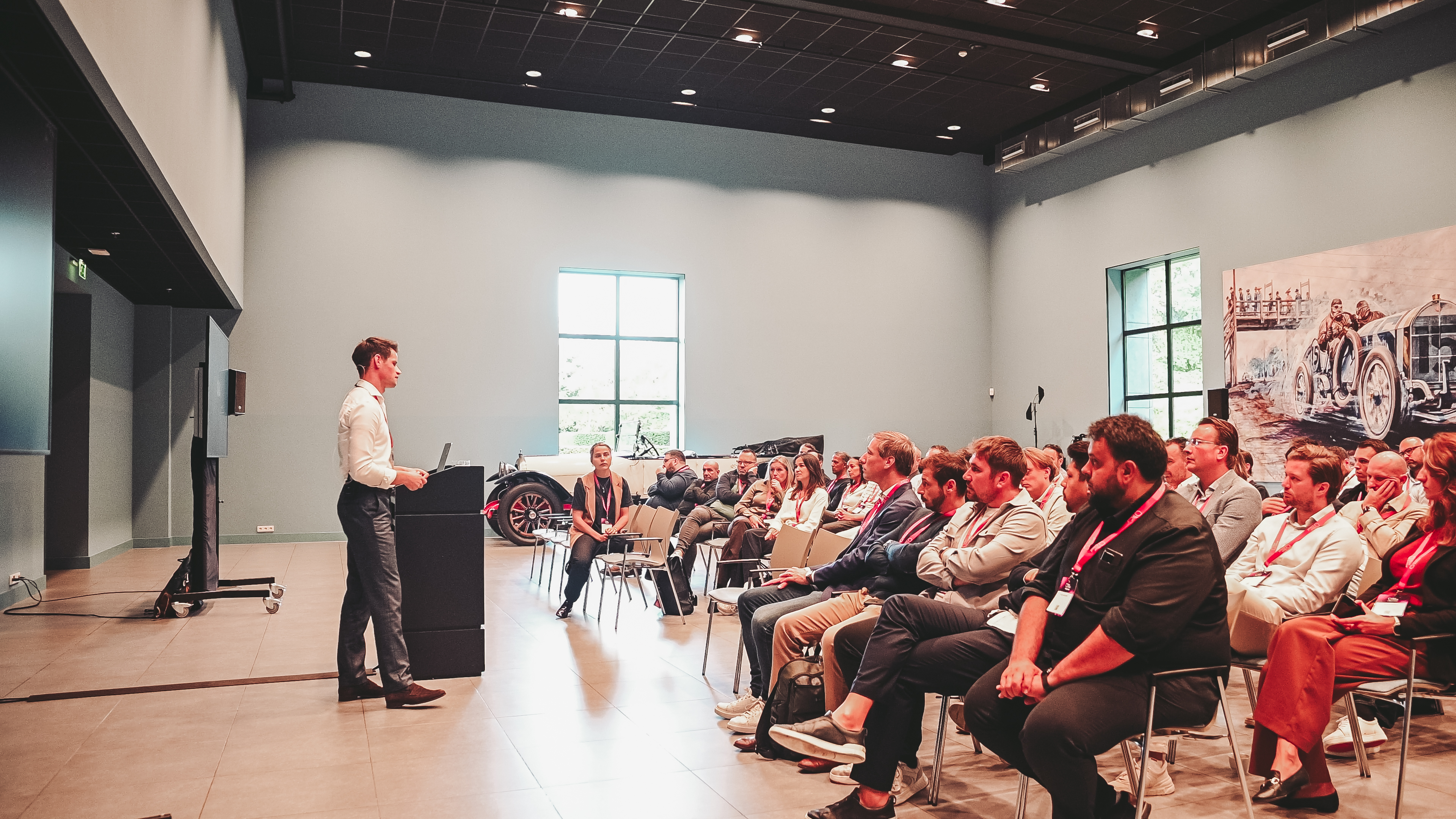
That was one of the ideas behind Your.Cloud Connect 2026, which brought leaders from across the group together under the theme Driving Forward Together. The purpose was not simply to spend a day together, but to create opportunities to exchange experience, challenge thinking and learn from what is already happening elsewhere in the group.
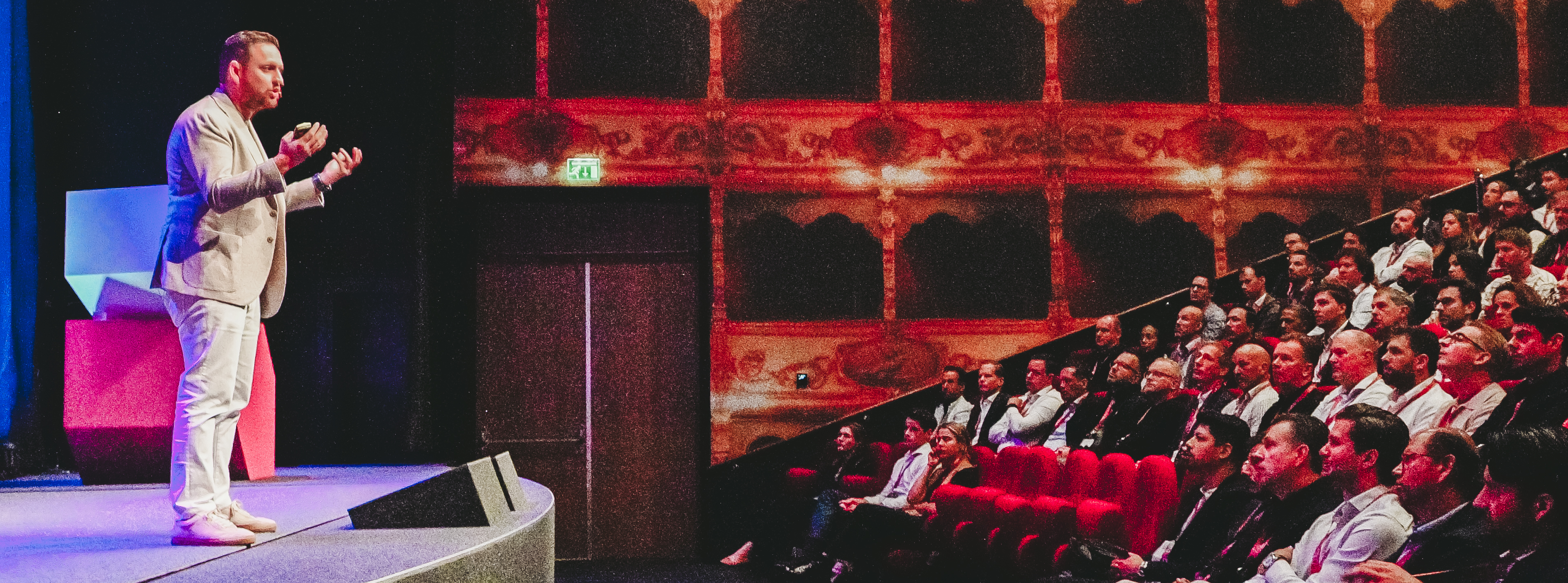
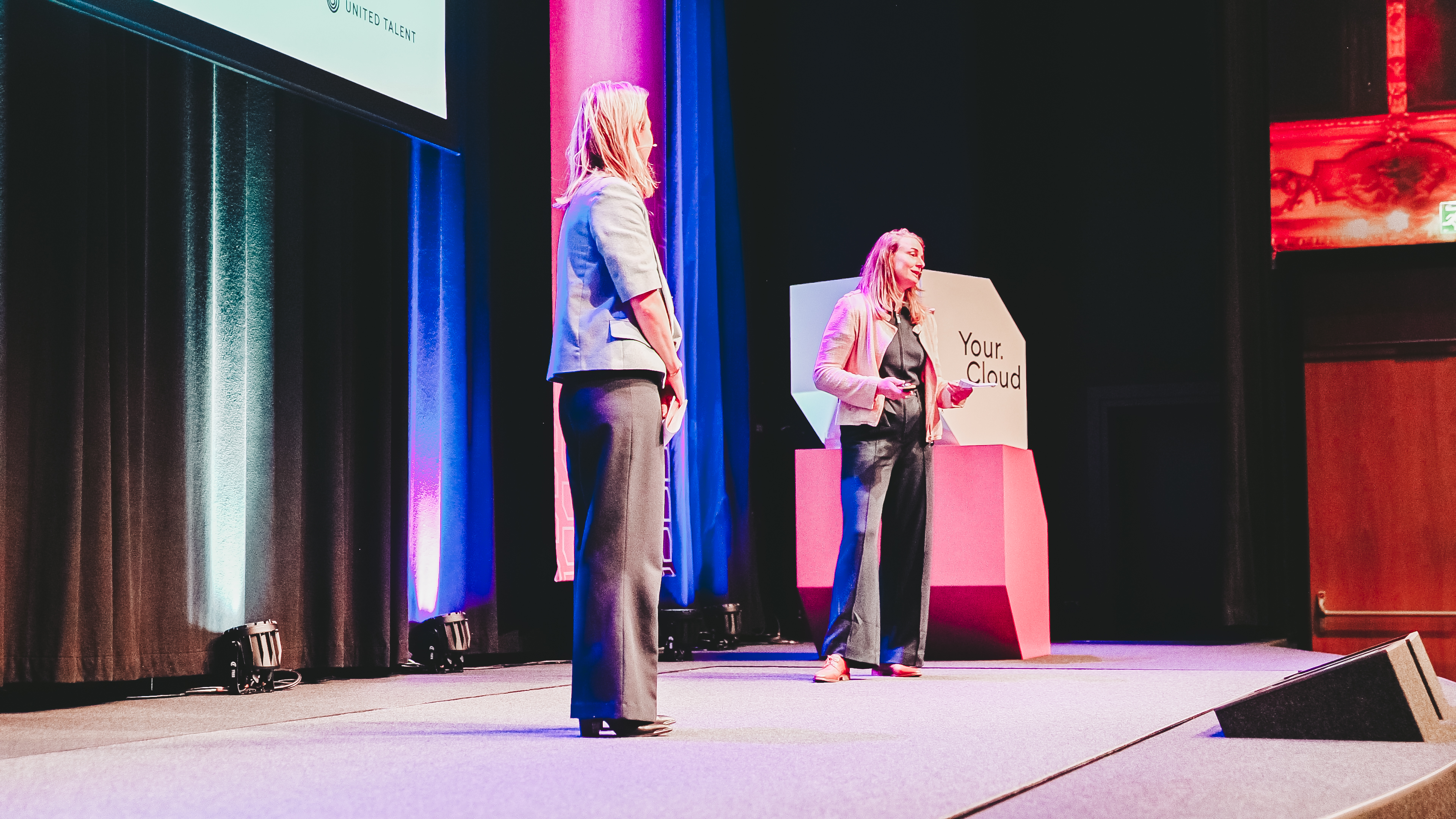
Dave Maasland, CEO of ESET, speaking at Your.Cloud Connect 2026.
Learning in a changing MSP landscape
The environment in which technology companies operate is changing quickly. AI is reshaping how services can be delivered, cybersecurity is becoming increasingly connected to business resilience, and regulation and geopolitical developments are creating new questions for customers and their technology partners.
In his keynote, ESET CEO Dave Maasland explored that changing environment and the role MSPs can play within it. His message went beyond technology. In a period of uncertainty, MSPs have the opportunity to move from being service providers towards becoming more integral partners in the resilience of their customers. That requires security to become part of business processes, decision-making and continuity, rather than simply a collection of products or tools.
These are questions every company has to navigate. Being part of a wider group means they can also draw on experience that already exists elsewhere.
Different companies, familiar challenges
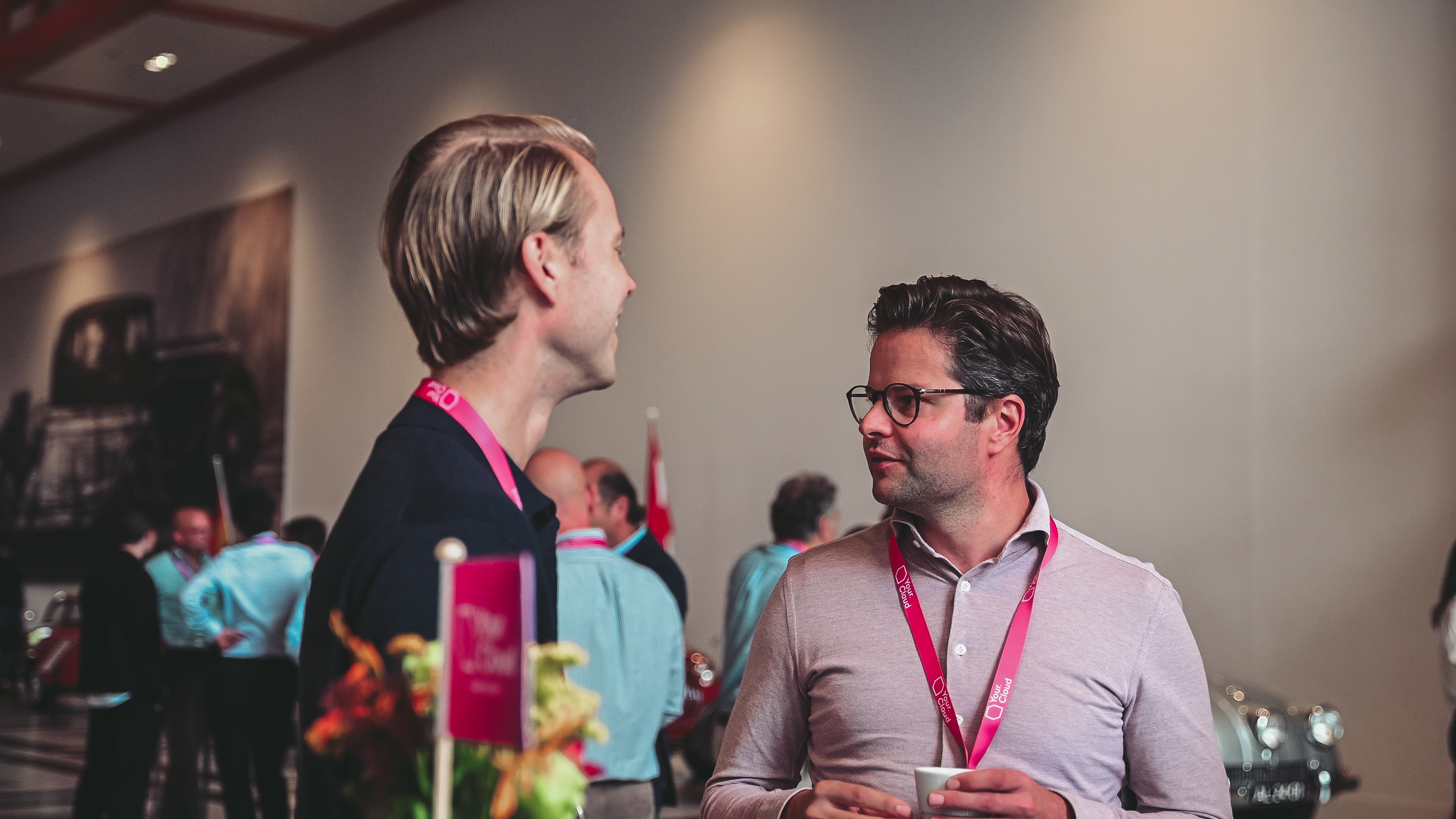
Your.Cloud companies operate in different markets, work with different customers and have developed their businesses in different ways. Yet many of the questions they face are similar.
How should AI be introduced into existing operations? Where can automation have the greatest impact? How do you continue developing leaders? How do you improve resilience while keeping pace with innovation?
During Connect, those shared challenges became a recurring theme.
The AI breakout by Texterous, for example, explored the journey from being AI-ready to becoming an AI-native MSP. Rather than presenting one predetermined technology route, the session looked at several possible approaches and emphasised the value of experimenting, learning and building experience along the way.
Importantly, this was not only a discussion about what might happen in the future. Examples from companies within the group showed how AI is already being used for areas such as ticket classification, service desk support, self-service and operational automation.
That creates a simple opportunity: when one company has already explored a challenge, others do not necessarily have to start from zero.
Turning experience into something others can use
Sharing knowledge sounds simple. Making it useful is more difficult.
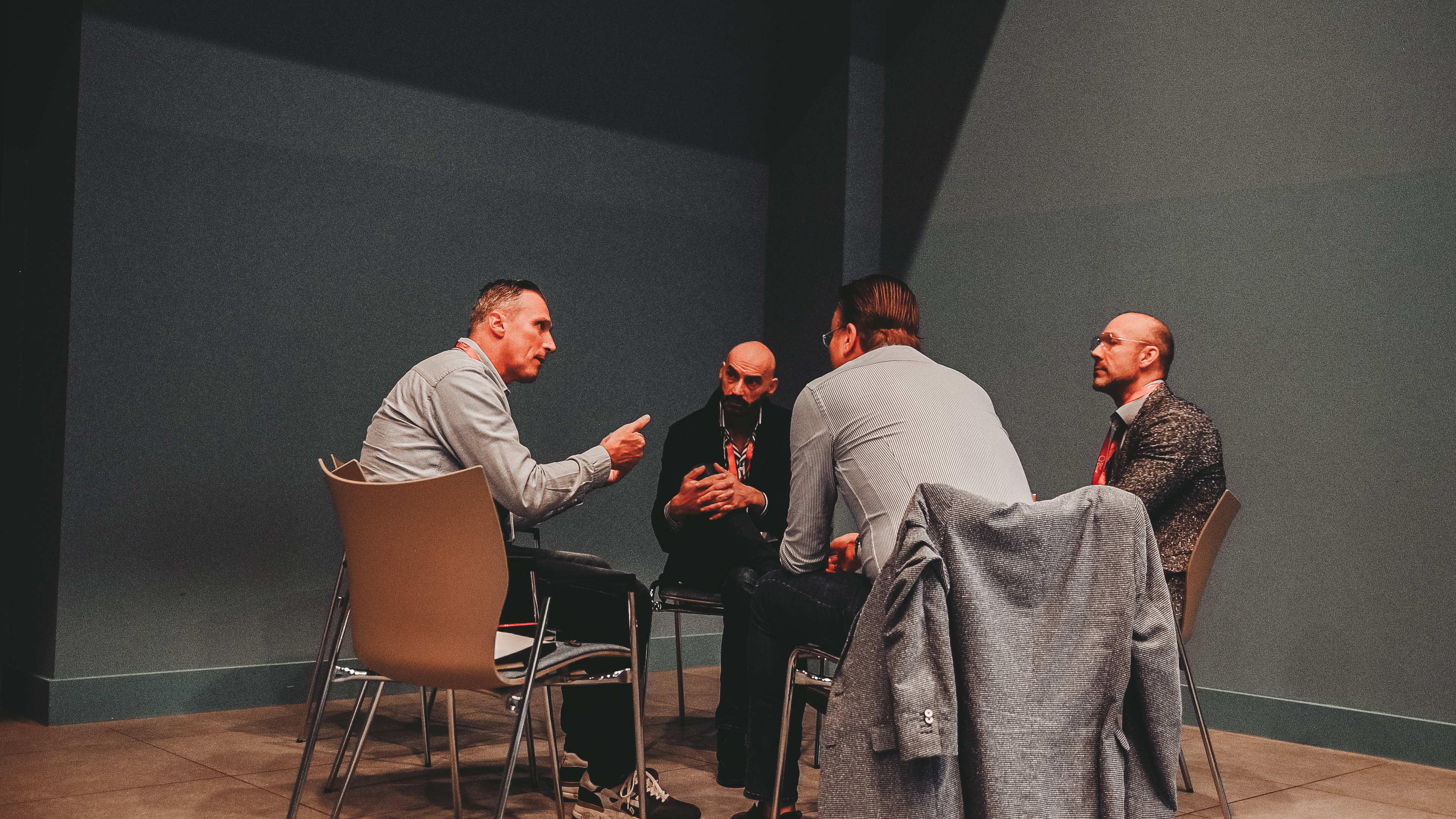
That is why part of Connect was designed around moving beyond conversation. During the Challenge to Concept session, participants worked in small groups on real operational challenges. They combined their individual experience, developed potential solutions and considered the business case, implementation approach and requirements behind them. The intention was then to bring those ideas together and share the resulting concepts more widely across Your.Cloud.
It reflects a broader idea that featured throughout the day: the value of a group lies not only in how many companies it brings together, but in how effectively knowledge moves between them.
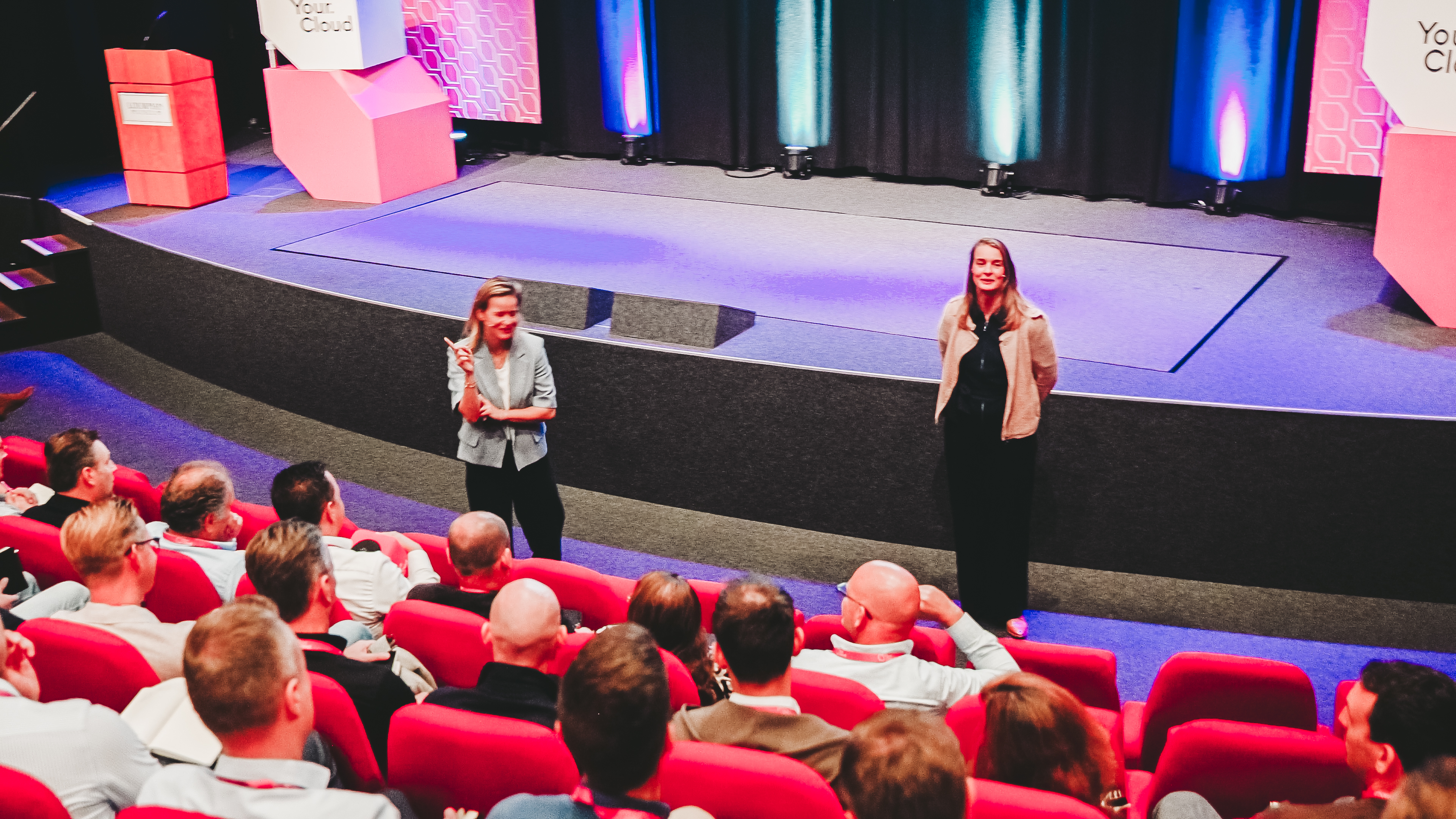
In her opening, Your.Cloud CEO Dorinda van Oosten captured that idea through three messages: work with great people, learn and fail fast together, and dare to innovate with AI. She also challenged leaders to actively exchange best practices and learn from initiatives elsewhere in the group.
Collaboration without centralisation
This reflects the wider thinking behind the Your.Cloud model: local independence where it matters, group strength where it helps.
Local entrepreneurship remains important. Different companies have built different strengths, whether that is specialist market knowledge, security expertise, AI capabilities, customer relationships or distinctive ways of working. The objective is not to remove those differences, but to make the experience behind them more accessible.
In fact, the variety within the group is part of its value. During Connect, examples ranged from companies recognised as strong local players to businesses developing AI agents, sovereign cloud propositions and specialist security services.
The question then becomes less about creating one central answer for everyone and more about connecting people who may already have part of the answer.
One day together, a network throughout the year
Connect makes that network particularly visible, but collaboration is not limited to one event.
Throughout the year, knowledge is exchanged through cross-company projects, communities, specialist networks, Player Coaches, technical events and direct collaboration between companies. Connect creates another moment to strengthen those relationships and discover expertise that might otherwise remain within individual businesses.
That is what collaboration can look like in a decentralised group.
Companies continue to lead their own businesses, serve their own customers and develop in their own way. At the same time, they become part of a network of people who are solving similar problems, testing new ideas and sharing what they learn.
Local entrepreneurship stays local.
Experience does not have to.